
Engineers build vacuum to clean microplastics in sand

Hawaii’s Kamilo Beach (AKA “Trash Beach”) received a trial cleaning from the Hoola One. The machine was designed by a group of engineers from the University of Sherbrooke in Quebec, Canada.
Chinese paddlefish extinct after surviving 150 million years
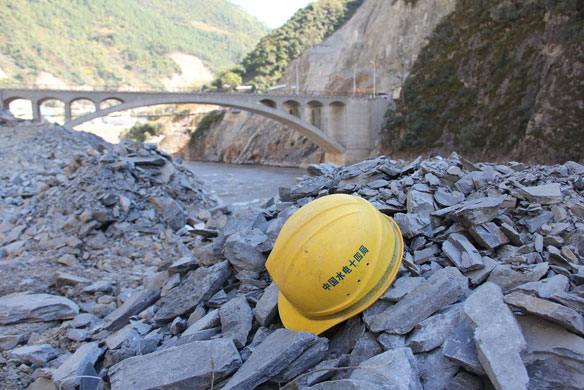
The Chinese paddlefish — one of the world’s largest freshwater fish — has officially been declared extinct after surviving some 150 million years. The giant species, which measured as long as 23 feet and weighed as much as 1,100 pounds, has been killed off by overfishing and dam construction.
California is suing a Silicon Valley billionaire for blocking public access to a beach

For nearly a century, people flocked to Martin’s Beach, a picturesque stretch of sand just south of Half Moon Bay in the San Francisco Bay Area. Then in 2008, Silicon Valley billionaire Vinod Khosla, through two limited liability companies, bought two large pieces of land next to the popular beach, which happened to contain the only viable public path to the shore.
The Best Islands for Beaches: 2019 Readers’ Choice Awards
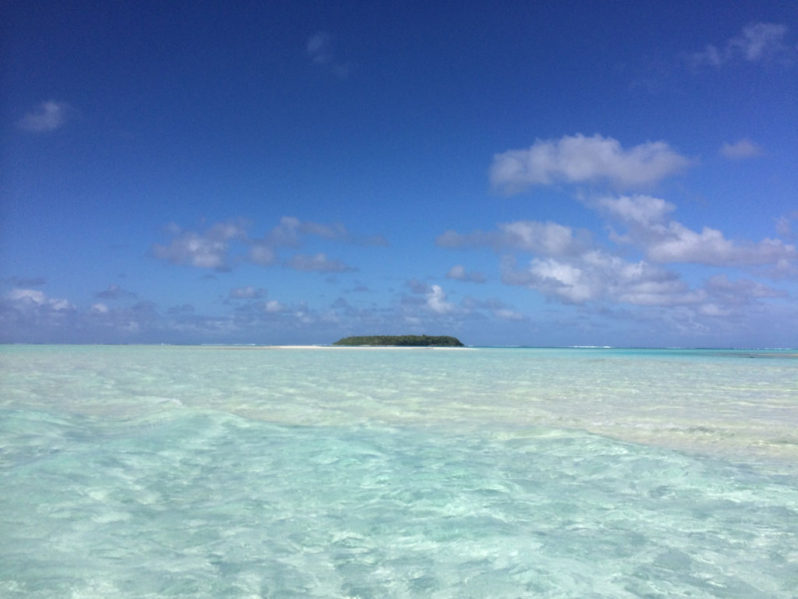
Here are the island beaches loved most on year 2019.
The missing 99%: why can’t we find the vast majority of ocean plastic?
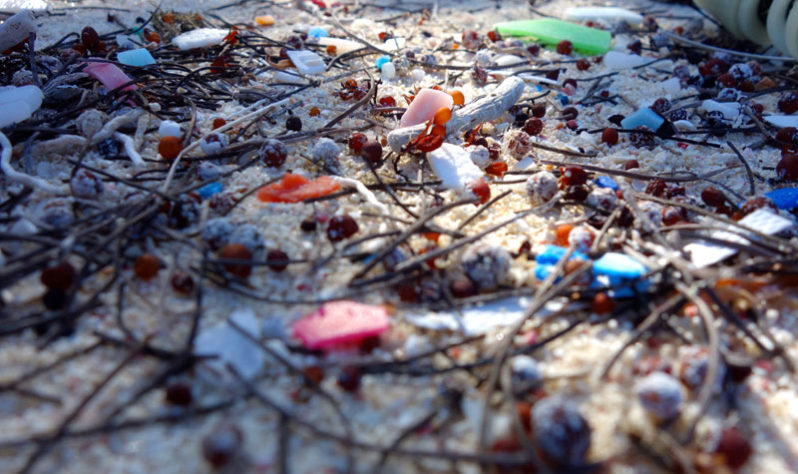
What scientists can see and measure, in the garbage patches and on beaches, accounts for only a tiny fraction of the total plastic entering the water.
We are seeing the very worst of our scientific predictions come to pass in these bushfires

A climate scientist is wondering if the Earth system has now breached a tipping point.
The plastic polluters won 2019 – and we’re running out of time to stop them
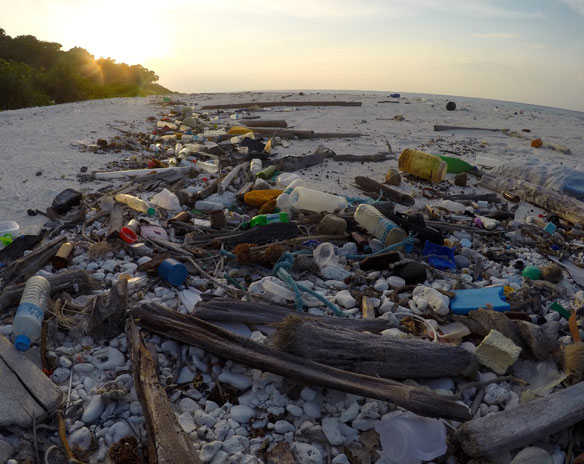
Further steps have been taken to clean up beaches and seas in 2019 – but much more needs to be done .
The environment in 2050: flooded cities, forced migration – and the Amazon turning to savannah
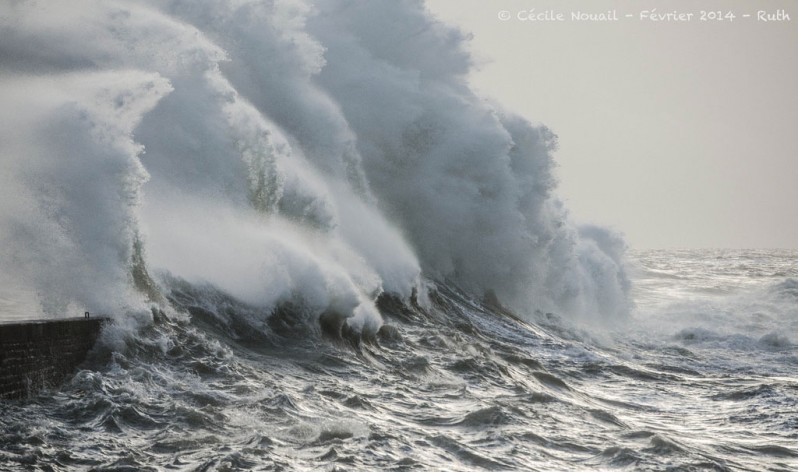
A storm is certainly brewing. The science is clear on that. The question now is how we face it.
Skara Brae Beach, Scotland: Thoughts on the Short and Long of Sea-Level Rise; By William J. Neal
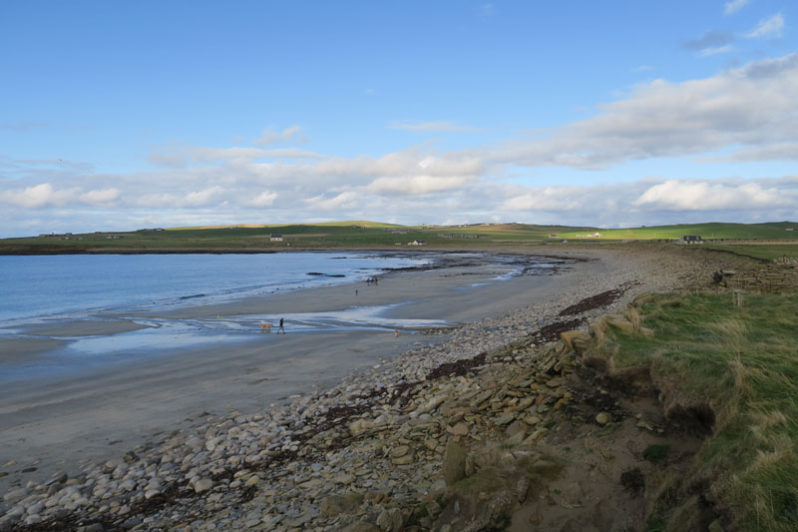
Perceptions based on the present bias our perception of the past and future. A static view of our environment is misleading. The human association with water, particularly shorelines, is a case in point. We do not perceive the history of place, and globally we occupy sites as if they are unchanging, not realizing that in fact they are of high risk.